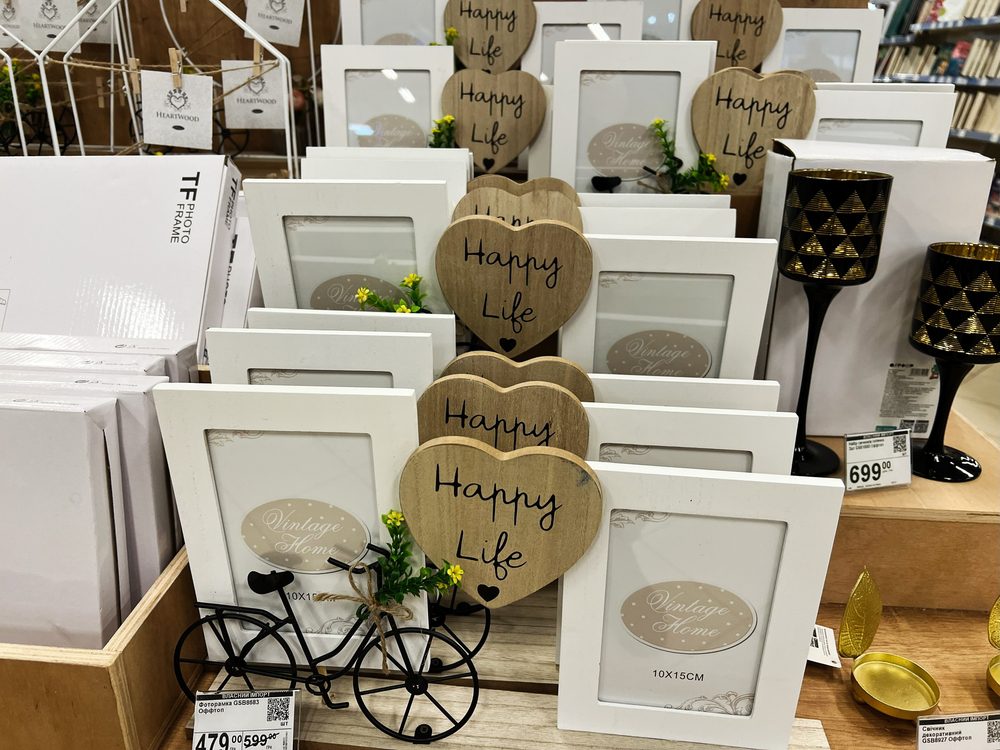
Since 2012, we have established a long-term partnership with a brick-and-mortar wall décor retailer (hereinafter referred to as “Client C”), covering two high-turnover display categories: mirrors and frames. For the retail side, the challenge with these products is not “can they be made,” but rather “can they be consistently produced, withstand transportation, and keep up with the schedule.” With numerous SKUs, rapid new releases, and frequent restocking, any batch inconsistency or rise in transport damage directly translates into display gaps in stores, increased returns, and higher losses.
Client C has very clear requirements for quality and delivery: under store lighting conditions, color differences must be controlled (ΔE); surfaces must be free of dust spots and orange peel, with tight seams at 45° mitered corners; structural dimensions must control warping/twisting, ensure hanger torque meets standards, and prevent backing panels from bulging. On the logistics side, products must pass ISTA drop and vibration tests to keep glass breakage within an acceptable range, while maintaining on-time delivery (OTD) to align with promotional schedules and restocking windows.
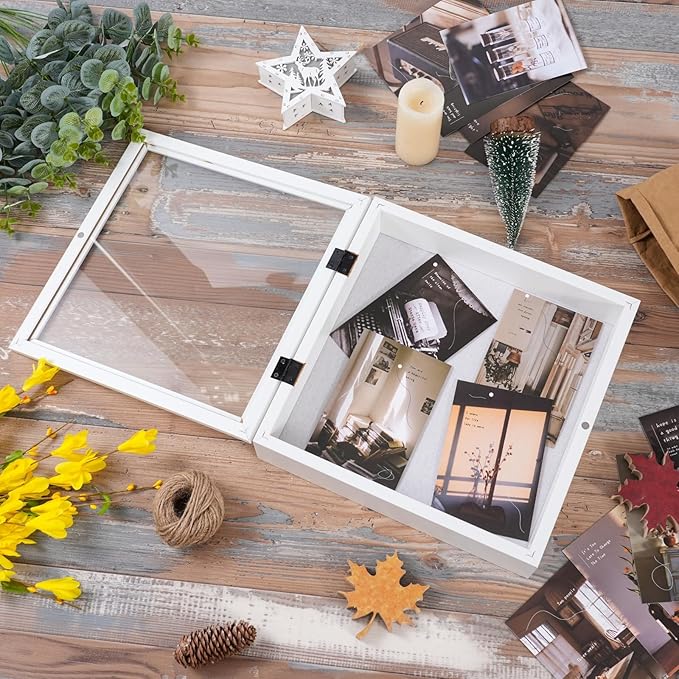
Focusing on these key quality characteristics (CTQs) of “retail delivery products,” our Manufacturing Team and Retail Solutions Department first established standards for materials and structure. The frame strips are controlled for moisture content in solid wood and composite materials, 45° miter cuts are precisely fixed, and V-nail corner brackets with gluing processes are standardized to ensure consistent diagonal squareness and seam gaps. For mirrors, silver or aluminum mirrors are selected with anti-black-edge treatment, and surfaces are finished with lamination or spraying depending on the style, while incoming and in-process inspections are implemented to minimize color and surface defects between batches. During assembly, flatness checks are applied to backing panels (MDF/paperboard), and random inspections are conducted for hanger pull-out strength and torque (sawtooth/D-ring), ensuring reliable wall mounting and consistent store operations.
On the logistics and delivery side, we elevated fragile items from being just a “packaging concern” to a “system-verified process.” Packaging structures are designed according to mirror fragility standards, with corner protectors and separation layers, and the compression strength of outer cartons is verified to ensure stability under stacking and transport conditions. At the shipping stage, AQL sampling is used to control appearance and assembly defects, while ISTA drop and vibration tests set the transport threshold, minimizing the amplification of breakage in the distribution channel. Through the combination of process standardization + in-process inspection + transport validation + shipping sampling, batch consistency and transport reliability have been repeatedly proven across multiple major sales events and restocking cycles.
As our collaboration has progressed to the present, Client C’s most direct feedback comes from store operations: shelf batches are more stable, display completeness has improved, and both transport damage and after-sales work orders have significantly decreased. More importantly, flagship items and combination display products can be delivered consistently, SKUs are continuously updated without interruption, and promotional schedules and restocking rhythms are well controlled. Through long-term joint development and review, both parties have established a tacit understanding on sample timelines, mass production SOPs, quality inspection standards, and delivery windows: we provide seasonal trend color and frame proposals each quarter, while Client C uses sales data and store feedback to drive rapid rolling replenishment, gradually building a highly trusted strategic partnership.